Is Memopezil a Scam or Legit? An Honest 2026 Review
If you searched "is Memopezil a scam," you're doing exactly what consumer-protection experts recommend. Snopes and the Better Business Bureau both advise pairing a product's name with words like "review," "scam" or "legit" before you buy. Healthy skepticism is smart — the supplement industry generates roughly $60 billion a year in the U.S. alone, and not all of that money goes to honest companies.
So rather than ask you to simply trust us, this article does something more useful: it lays out the exact red flags that watchdogs like the FTC, AARP, the BBB and ConsumerLab use to separate legitimate supplements from scams — and then holds Memopezil up against every one of them. You can apply the same checklist to any product you're considering.
📋 In This Article
How to Judge if a Supplement Is a Scam
The single most important idea, drawn straight from consumer-protection guidance, is this: "scam" is usually about how a product is sold, not just what's inside the bottle. As one 2026 buyer's guide put it, the point is to evaluate risk, not to slap on a binary scam/not-scam label — the more red flags a product triggers, the more skepticism is warranted.
The Council for Responsible Nutrition notes that in the U.S., the FDA regulates finished supplements and ingredients (it's illegal to sell adulterated or misbranded products), while the FTC has primary responsibility for policing supplement advertising. No federal agency approves supplements before they hit the market. That means the burden of judgment falls on you — and a clear checklist makes it manageable.
Legitimacy is judged on transparency, realistic claims, clear refunds and verifiable manufacturing — not on marketing polish.
The 7 Classic Supplement Scam Red Flags
Compiled from the FTC, AARP, the BBB, ConsumerLab and independent supplement reviewers, these are the warning signs that should make you slow down:
🚩 Watch For These
1. Miracle claims. "Cures," "melt fat while you sleep," "works for everyone," or any promise to treat or prevent disease.
2. Fake precision. Statistics like "boosts absorption 312%" with no source for the number.
3. Manufactured scarcity. Countdown timers that reset on reload and "only 3 left!" pressure tactics.
4. Hidden subscriptions. "Free trial" offers that quietly auto-enroll you and make cancellation hard — the FTC has sued over exactly this.
5. Fake endorsements. Bogus celebrity or "doctor" reviews and manipulated before-and-after photos.
6. No company information. No real address, phone number, or contact details anywhere on the site.
7. No refund clarity. Buying is easy; getting your money back is vague or impossible.
Notice what unites these: every one is about seller behavior. A polished website and an impressive-looking formula tell you nothing on their own. As one 2026 reviewer put it, ignore the marketing gloss and review the evidence, the labeling, and the seller's behavior instead.
Memopezil Measured Against the Red Flags
Here's the honest scorecard — Memopezil held against each criterion the watchdogs use. Where something depends on the buyer, we say so.
| Legitimacy Criterion | What Watchdogs Want to See | Memopezil |
|---|---|---|
| Transparent ingredients | Named, clinically studied ingredients — not vague "blends" | ✓ Lists Bacopa, Lion's Mane, Ginkgo, Phosphatidylserine, Rhodiola, L-Theanine |
| Realistic claims | Support, not "cure"; gradual results over weeks | ✓ Positions results over consistent weeks of use; no disease claims |
| Manufacturing transparency | GMP / FDA-registered facility | ✓ States U.S. FDA-registered, GMP-certified facility |
| Clear refund policy | Stated, generous, easy to use | ✓ 60-day money-back guarantee on official orders |
| No forced subscription | One-time purchase without hidden auto-billing | ✓ Sold as a one-time purchase, no subscription required |
| Company contact info | Real contact and support details | ✓ Provides a contact page and support details |
| "FDA approved" claim | Should NOT claim this (no supplement is) | ✓ Does not claim FDA approval — correctly |
| Authentic product | Buy from official source to avoid fakes | ⚠ Buyer-dependent — only the official site guarantees authenticity |
Criteria sourced from FTC, AARP, BBB, ConsumerLab and the Council for Responsible Nutrition guidance.
🔎 What This Tells Us
Across the criteria that define a scam, Memopezil lines up with the legitimate-product side: transparent formula, realistic claims, GMP manufacturing, a clear 60-day guarantee, and no forced subscription. The only column with a caution mark isn't about the brand at all — it's about where you buy, which we cover next.
The Real Risk: Counterfeits, Not the Brand
Here's the part most "scam or legit" articles miss. For an established supplement, the biggest threat to your wallet usually isn't the company — it's counterfeit lookalikes sold by third-party sellers. ConsumerLab warns that many popular supplements now have copycat versions on marketplaces using similar names, labels or claims that may not match the original formula.
According to ConsumerLab and consumer-safety guides, the tell-tale signs of a counterfeit include:
- Unusual or low-quality packaging
- Pills of a different color, size or shape than the authentic product
- Misspellings or typos on the label or bottle
- Missing, illegible, or fake lot numbers (legitimate products carry a traceable lot number)
- Expiration dates that don't make sense for the product's shelf life
- "Too good to be true" prices well below the official cost
🛡️ The One Rule That Protects You
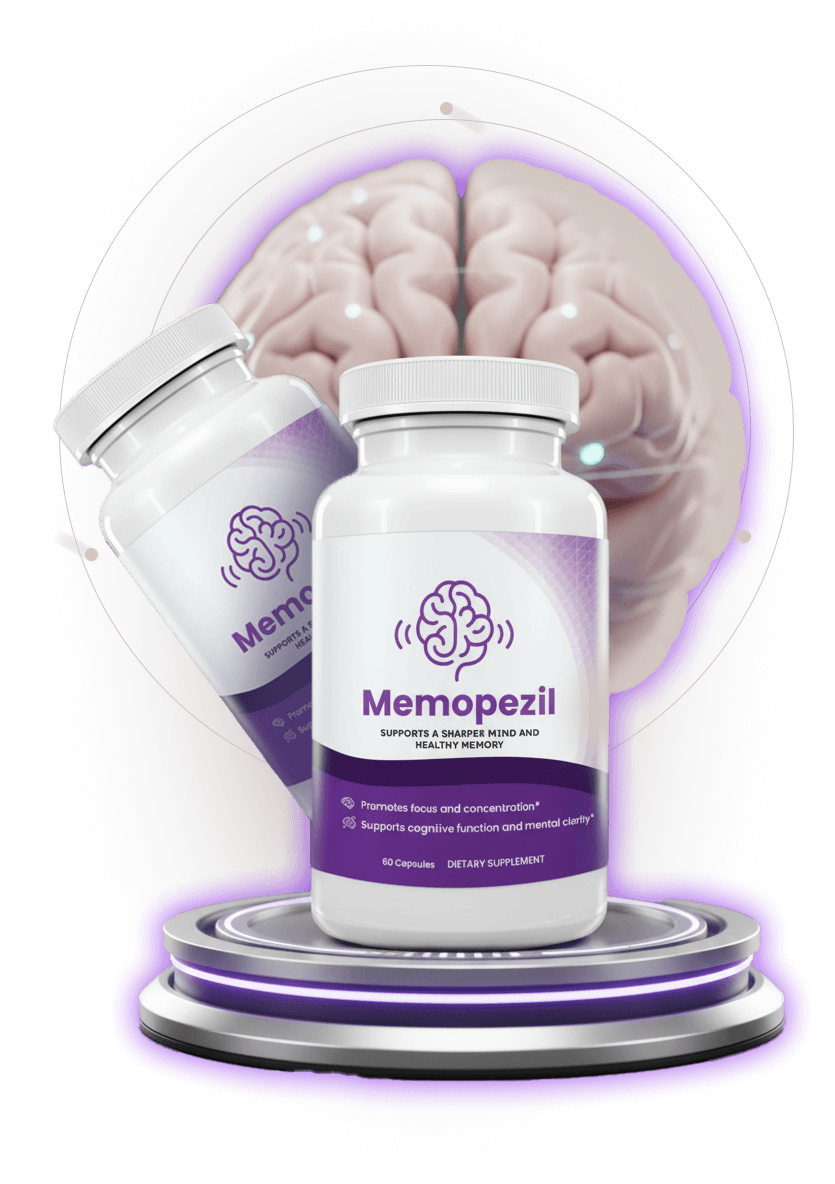
Buy Memopezil only from the official website. It's the single most reliable way to guarantee you receive the authentic formula, a traceable product, and the 60-day money-back guarantee. If you receive a bottle that looks off — wrong packaging, odd pills, label typos — don't use it, and report it through the marketplace and the FTC's fraud reporting site.
The Verdict
✅ Legit — With One Smart Precaution
Measured against the criteria the FTC, AARP, BBB and ConsumerLab use to define a scam, Memopezil reads as a legitimate cognitive-support supplement, not a scam: transparent ingredients, realistic claims, GMP manufacturing, a clear 60-day money-back guarantee, and no forced subscription. As with any supplement, it isn't a miracle cure, results vary by person, and it should complement — not replace — good sleep, nutrition and exercise. The one precaution that genuinely protects you is to buy only from the official site, which sidesteps the counterfeit listings that are the real risk in this category.
A fair closing caveat, in the spirit of honesty: no single article — including this one — can verify every buyer's experience, and you should always do your own checks. Read reviews across multiple independent platforms, read the refund policy before you click buy, and talk to your doctor if you take medication or have a health condition. That's true for Memopezil and for every other brand on the shelf.
Buy Authentic — Only From the Official Site
Skip the counterfeits. Get genuine Memopezil™ direct from the official website, complete with the full 60-day money-back guarantee. Made in the U.S. in a GMP-certified facility, caffeine-free.
Get Memopezil — Official Site Only →✓ 60-Day Money-Back Guarantee · ✓ Authentic, Traceable Product · ✓ No Subscription Required
Frequently Asked Questions
Is Memopezil a scam?
Against the standard consumer-protection criteria (FTC, AARP, BBB, ConsumerLab), Memopezil shows the markers of a legitimate product: a transparent ingredient list, realistic claims, a clear 60-day money-back guarantee, GMP/FDA-registered manufacturing, and no forced subscription. The classic scam markers — miracle cures, fake endorsements, hidden auto-billing, no company info — are about how a product is sold. The biggest genuine risk to buyers is counterfeit listings on third-party marketplaces, which is why buying only from the official site matters.
How can I tell if a supplement is legitimate?
Look for a transparent label with individual doses (not just proprietary blends), realistic rather than miracle claims, scientific references, clear company contact details, a stated easy-to-use refund policy, and manufacturing transparency like GMP certification. Red flags: countdown timers and fake scarcity, "free trials" hiding subscriptions, doctored before-and-after photos, fake doctor or celebrity endorsements, and no real address or phone number.
Where should I buy Memopezil to avoid counterfeits?
Only from the official Memopezil website. Watchdogs warn that popular supplements often have lookalikes on third-party marketplaces that may not match the real formula. Signs of a counterfeit include unusual packaging, pills of a different color, size or shape, label misspellings, and missing or fake lot numbers. Buying direct guarantees the authentic product and the money-back guarantee.
Does Memopezil have a money-back guarantee?
Yes — a 60-day money-back guarantee on official-website orders. A clear, generous, easy-to-use refund policy is one of the strongest legitimacy signals identified by consumer-protection groups, because scams typically make buying easy and refunds difficult.
Is Memopezil FDA approved?
No supplement is "FDA approved" — by law the FDA doesn't approve supplements before market, which is true for every brand. A responsible company instead manufactures in an FDA-registered, GMP-compliant facility, which Memopezil states it does. Any supplement claiming to be "FDA approved" is itself showing a red flag.
Are Memopezil's claims realistic?
Yes. It's positioned as cognitive support using clinically studied ingredients (Bacopa, Lion's Mane, Ginkgo, Phosphatidylserine, Rhodiola, L-Theanine) with gradual results over weeks of consistent use. It does not claim to cure, treat or prevent disease — claims that would be illegal and a classic scam signal.
Sources & References
- Federal Trade Commission (FTC). Consumer guidance on supplement advertising and fraud reporting. reportfraud.ftc.gov
- AARP. "How To Spot Fake Dietary Supplement Scams." aarp.org
- ConsumerLab.com. "How to Avoid Buying Counterfeit Supplements Online." March 2026. consumerlab.com
- Snopes. "How to spot suspicious health supplements and avoid getting scammed." December 2025. snopes.com
- Vitacost / Council for Responsible Nutrition. "Buyer Beware: How to Detect Fake Dietary Supplements." 2025. vitacost.com
- Better Business Bureau (BBB). Scam Tracker and supplement-scam guidance.
Disclaimer: This article is for educational purposes only and is not medical or legal advice. It applies publicly available consumer-protection criteria and the manufacturer's stated information; it does not independently audit the company. Statements about dietary supplements have not been evaluated by the FDA. Dietary supplements are not intended to diagnose, treat, cure, or prevent any disease. Always do your own research and consult a qualified healthcare professional before purchasing or using any supplement.