Ginkgo Biloba for Memory: Benefits, Dosage and Evidence
Ginkgo biloba is one of the most recognizable names in brain health — sold in pharmacies worldwide, rooted in centuries of traditional Chinese medicine, and harvested from a tree so ancient it's nicknamed a "living fossil." That fame raises an obvious question: behind the marketing, does Ginkgo biloba actually do anything for memory?
The honest answer is nuanced, and it changed slightly in 2026 with the publication of one of the largest reviews ever conducted. This guide separates the evidence from the hype: how Ginkgo is believed to work, what the latest research really shows, the dosage that matters, the safety issues you need to take seriously, and where a single ingredient fits in a complete memory strategy.
📋 In This Article
What Is Ginkgo Biloba?
Ginkgo biloba is a deciduous tree with distinctive fan-shaped leaves, and it is one of the oldest living tree species on Earth. The supplement is made from extracts of its dried green leaves — available as capsules, tablets, liquid extracts and teas. First used medicinally in ancient China, it was introduced to Western medicine in 1964 and has since become one of the most commonly used supplements in the world.
Its activity comes from two main groups of compounds: flavonoid glycosides (antioxidants) and terpenoids — specifically ginkgolides and bilobalide. These give Ginkgo its antioxidant and anti-inflammatory properties, and they are the focus of the cognitive research.
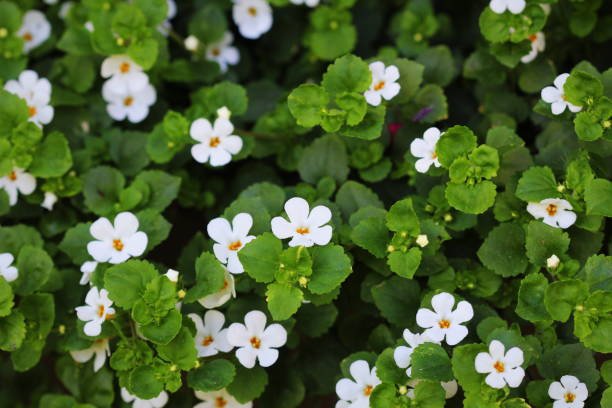
Ginkgo's fan-shaped leaves are rich in flavonoid glycosides and terpenoids — the compounds behind its antioxidant and circulation-supporting effects.
How It Works: The Blood-Flow Connection
The leading explanation for Ginkgo's cognitive effects is circulation. Its compounds are thought to improve blood flow — including cerebral blood flow to the brain — by supporting the health of small blood vessels and reducing oxidative stress. More efficient circulation means better delivery of oxygen and glucose to neurons, the two things brain cells depend on most.
This matters more with age. Vascular efficiency tends to decline over the years, and reduced blood flow is one recognized contributor to mental fatigue and that "running slow" feeling. By supporting circulation, Ginkgo may help with concentration, mental fatigue and cognitive function under physical or emotional stress — which is why it is so often paired with focus and clarity claims.
💡 An Important Distinction
"Supports cerebral blood flow" is a mechanism, not a guarantee of better memory. A plausible biological pathway is a reason to study an ingredient — it is not proof you'll notice a difference. That gap between mechanism and measurable benefit is exactly what the human trials below were designed to test.
What the Clinical Evidence Actually Shows
Here is where honesty matters more than enthusiasm. Ginkgo has been studied for decades, and the results are genuinely mixed — with the picture depending heavily on who is taking it.
The 2026 Georgetown review: the clearest picture yet
In March 2026, an international team led by Georgetown University School of Medicine published an updated systematic review — one of the most comprehensive evaluations of Ginkgo to date, covering 82 studies and 10,613 participants. Its conclusion was carefully split: Ginkgo biloba may offer modest short-term improvements for people with dementia, but shows little to no benefit for those with mild cognitive impairment or general memory complaints without a diagnosis. Reassuringly, it found no increase in serious harm compared with placebo for up to 12 months.
The big prevention trials
Large, rigorous long-term studies — including the well-known GEM (Ginkgo Evaluation of Memory) study referenced by the U.S. National Center for Complementary and Integrative Health — did not show that Ginkgo prevented dementia or cognitive decline in older adults. This is a crucial honesty point: Ginkgo is not a dementia-prevention pill.
Where the supportive signal lives
The more favorable findings tend to involve the standardized extract EGb 761 at 240 mg per day over 24 weeks or longer, particularly for people who already have mild dementia. Across the wider literature, several reviews describe Ginkgo's benefits for memory and attention in healthy adults as inconsistent or inconclusive — while consistently noting its antioxidant, anti-inflammatory and circulation-supporting properties.
| Population / Study | What the Research Found | Takeaway |
|---|---|---|
| Mild dementia (EGb 761, 240 mg, 24+ wks) | Modest short-term cognitive improvement in several reviews | Most supportive evidence — but specific population |
| Mild cognitive impairment | Probably little or no difference at 6 months (2026 review) | Not a reliable fix for early decline |
| Healthy adults, memory complaints | Inconsistent; evidence remains uncertain | Best viewed as circulation support, not a booster |
| Dementia prevention (GEM-type trials) | Did not prevent dementia or cognitive decline | Not a prevention pill |
Sources: Georgetown University systematic review (2026); NCCIH; Medical News Today and WebMD evidence summaries.
Dosage and the EGb 761 Standard
With Ginkgo, the word on the label matters as much as the number. Most credible research uses a specific standardized extract called EGb 761, which is concentrated to contain roughly 24% flavonoid glycosides and 6% terpenoids. A product that simply says "Ginkgo biloba 120 mg" without standardization tells you very little about its active content.
- Typical research range: 120–240 mg per day.
- Common splits: 40 mg three times daily, or 80 mg twice daily.
- For cognitive effects (where seen): reviews point to 240 mg/day for 24 weeks or longer.
🔬 Why Standardization Beats Milligrams
A standardized extract guarantees a known concentration of active compounds, batch after batch. An unstandardized "leaf powder" can vary enormously. When comparing Ginkgo products, the questions that matter are: is it standardized (e.g., to 24% flavonoids / 6% terpenoids), and is it third-party tested? Those tell you far more than the headline dose.
Side Effects and Drug Interactions
Ginkgo is generally considered safe at recommended doses, but it carries real cautions that are easy to overlook.
- Common side effects: headache, stomach upset, and allergic skin reactions.
- Bleeding risk — the big one: Ginkgo can increase bleeding risk and interacts with anticoagulants and antiplatelet drugs such as warfarin and aspirin, and with NSAIDs. Poison Control specifically flags this interaction.
- Surgery: the American Society of Anesthesiologists recommends discontinuing Ginkgo 2–3 weeks before elective surgery because of bleeding potential.
- Never eat raw or roasted ginkgo seeds: the NCCIH warns these can be poisonous. Supplements use leaf extract, not seeds.
- Higher-risk groups: people who are pregnant or breastfeeding, those with bleeding disorders, and older adults with bleeding risk should consult a healthcare professional first.
⚠️ Always Check With Your Doctor
If you take any blood thinner, antiplatelet medication, or NSAID — or have surgery scheduled — talk to your doctor or pharmacist before using a Ginkgo-containing supplement. This is the single most important safety step with this ingredient.
Where Ginkgo Fits in a Memory Formula
Ginkgo's research strength is specific: circulation and oxygen delivery. That's one meaningful lever in cognition — but memory also depends on recall pathways, neuron growth, membrane health, and stress resilience, none of which Ginkgo directly addresses. This is precisely why thoughtful formulas combine complementary ingredients rather than betting everything on one compound.
In a well-built stack, Ginkgo's blood-flow angle pairs naturally with:
Memory Recall
The most trial-supported herb for memory recall over 8–12 weeks — a recall pathway Ginkgo doesn't cover.
Nerve Growth
Studied for its role in nerve growth factor (NGF) and neuroplasticity — a different mechanism entirely.
Membrane Integrity
Supports the health of neuron cell membranes and neurotransmitter release.
Mental Fatigue
An adaptogen targeting the stress-and-fatigue side of cognition — complementing circulation support.
Calm Focus
Promotes the relaxed-alertness state for cleaner concentration without jitters.
Cerebral Blood Flow
Supports circulation and oxygen delivery to the brain — best with consistent, longer-term use.
✅ About Memopezil™
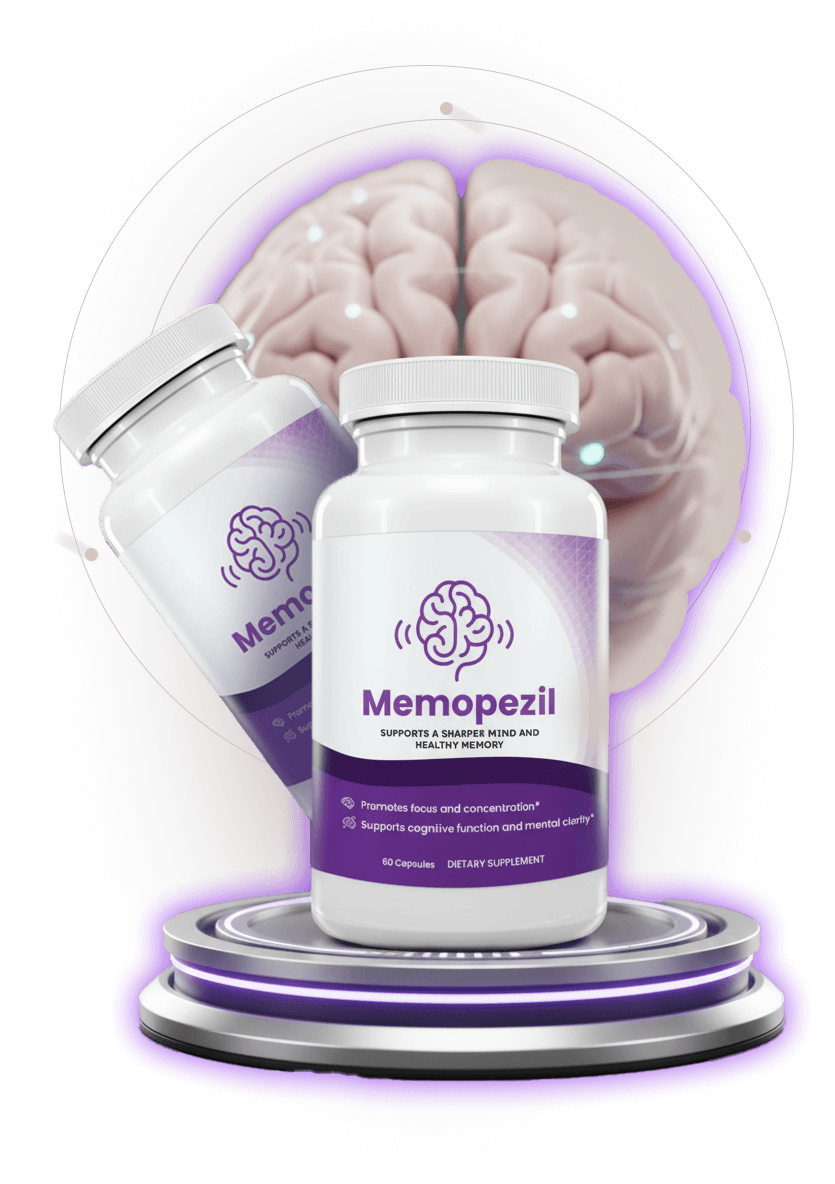
Memopezil includes Ginkgo Biloba for its circulation-support role — and combines it with Bacopa Monnieri, Lion's Mane mushroom, Phosphatidylserine, Rhodiola Rosea and L-Theanine, so the formula supports multiple cognitive pathways rather than leaning on a single ingredient. It is caffeine-free, manufactured in a U.S. FDA-registered, GMP-certified facility, and backed by a 60-day money-back guarantee. See the full Memopezil formula →
Standardized Ginkgo — in One Complete Daily Formula
Memopezil™ pairs Ginkgo Biloba with five more clinically studied ingredients to support memory, focus and mental clarity across multiple pathways. Made in the U.S., GMP-certified, caffeine-free.
Get Memopezil — Official Site Only →✓ 60-Day Money-Back Guarantee · ✓ Free U.S. Shipping on Multi-Bottle Orders · ✓ No Subscription Required
Frequently Asked Questions
Does Ginkgo Biloba actually improve memory?
The evidence is mixed and depends on who takes it. A March 2026 Georgetown-led systematic review of 82 studies found Ginkgo may offer modest short-term improvement in dementia, but little to no benefit for mild cognitive impairment or general memory complaints. The standardized extract EGb 761 at 240 mg/day for 24+ weeks has the most supportive data. For healthy adults, Ginkgo is best seen as circulation support, not a proven memory booster.
How does Ginkgo Biloba work in the brain?
Its flavonoid glycosides and terpenoids (ginkgolides, bilobalide) have antioxidant and anti-inflammatory effects and are thought to improve circulation, including cerebral blood flow. Better oxygen and glucose delivery to neurons is the leading proposed mechanism behind its effects on focus, mental fatigue and cognition, especially in older adults.
What is the recommended dosage of Ginkgo Biloba?
Most studies use the standardized EGb 761 extract (about 24% flavonoid glycosides, 6% terpenoids), typically 120–240 mg/day — often 40 mg three times daily or 80 mg twice daily. Where cognitive effects appear, they generally require 240 mg/day for 24 weeks or more. Standardization matters as much as the dose.
What are the side effects and risks of Ginkgo Biloba?
At recommended doses it's generally well tolerated; reported effects include headache, stomach upset and skin reactions. The key concern is bleeding risk — Ginkgo interacts with anticoagulants, antiplatelets (warfarin, aspirin) and NSAIDs, and should be stopped 2–3 weeks before surgery. Raw or roasted seeds are toxic. Pregnant, breastfeeding and bleeding-disorder patients should consult a doctor first.
How long does Ginkgo Biloba take to work?
It's not fast-acting. The literature showing benefit involves continuous use over many weeks — reviews point to 24 weeks or longer at 240 mg/day for cognitive effects in dementia. It's best treated as a long-term, consistency-dependent ingredient rather than a single-dose solution.
Is Ginkgo Biloba in Memopezil?
Yes. Ginkgo is one of Memopezil's core ingredients, included for cerebral blood-flow support, and combined with Bacopa Monnieri, Lion's Mane, Phosphatidylserine, Rhodiola Rosea and L-Theanine to support multiple pathways. Memopezil is made in a U.S. FDA-registered, GMP-certified facility with a 60-day money-back guarantee.
Sources & References
- Georgetown University School of Medicine. "Study Finds No Evidence of Benefit for Ginkgo Biloba in Cognitive Impairment; Possible Benefit in Dementia." March 2026. medicine.georgetown.edu
- National Center for Complementary and Integrative Health (NCCIH). "Ginkgo." nccih.nih.gov
- Poison Control. "Ginkgo biloba: Risks and benefits." poison.org
- Medical News Today. "Ginkgo biloba: Health benefits, side effects and risks." June 2025. medicalnewstoday.com
- WebMD. "Ginkgo Biloba: Benefits, Side Effects, and Safety Considerations." October 2025. webmd.com
- Healthline. "Ginkgo biloba possible benefits and risks." 2024. healthline.com
Disclaimer: This article is for educational purposes only and is not medical advice. Statements about dietary supplements have not been evaluated by the FDA. Dietary supplements are not intended to diagnose, treat, cure, or prevent any disease. Consult a qualified healthcare professional before starting any supplement, especially if you take medications or have a health condition.